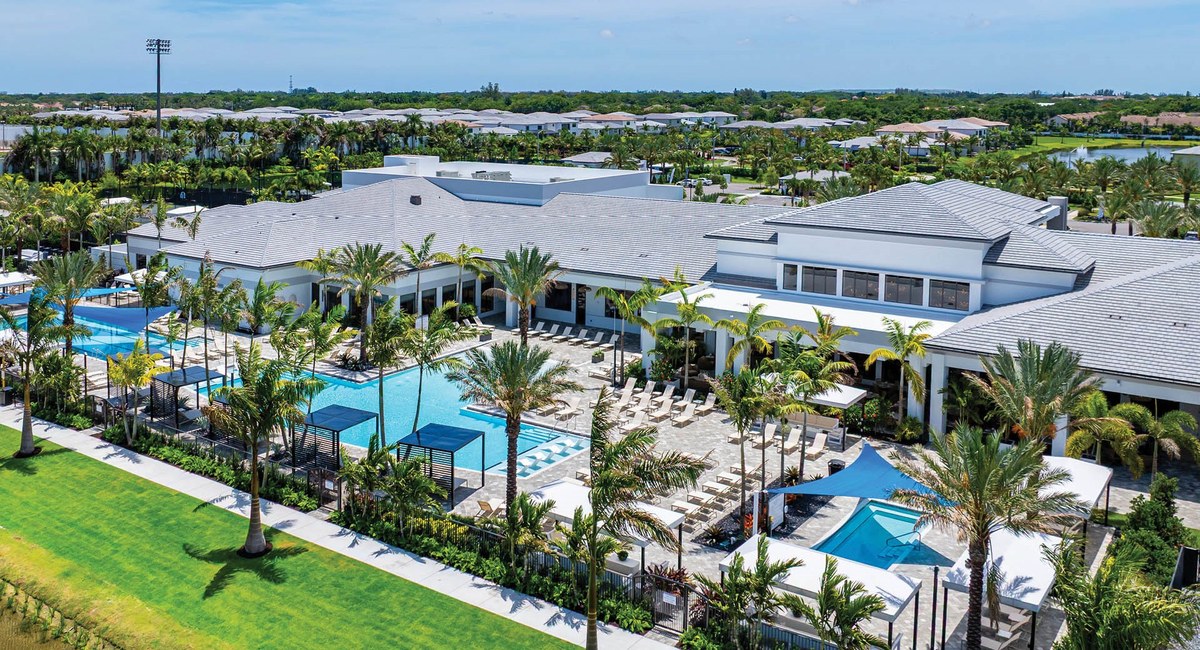
The honest answer is no, not in daily life. But the headline number alone does not prove that, so this article tests it properly, with density, tower size, clubhouse space, and a peak-hour example.
Mana Vista has 440 homes on 5.5 acres in Gattahalli, off Sarjapur Road. At eighty homes per acre, it is not a low-density project, and that is exactly why the question in the title is worth asking.
Density Is the Wrong First Number
Buyers usually start with homes per acre. On that measure, Mana Vista looks middling to high, and Adarsh Lumina in the same Gattahalli micro-market looks better, with the same 440 homes spread over 8.7 acres.
Trifecta Veranza in Kommasandra has 444 homes on more than six acres, or about seventy four homes per acre or less. Arvind Sylva in Kodathi has 374 homes on 4.7 acres, or about eighty homes per acre, almost identical to Mana Vista.
If density alone decided comfort, Mana Vista would lose to Adarsh Lumina and only tie with Arvind Sylva. But density alone is a poor test, because crowding is not caused by homes per acre.
Crowding is caused by too many people trying to use the same lift, the same court, or the same pool at the same time. The better test is homes per tower, homes per amenity, and how far apart the different activities are kept.
How Mana Vista Compares, on the Numbers That Actually Matter
| Project | Land | Homes | Homes per acre | Homes per tower |
|---|---|---|---|---|
| Mana Vista, Gattahalli | 5.5 acres | 440 | 80 | 147, across 3 towers of G+14 |
| Adarsh Lumina, Gattahalli | 8.7 acres | 440 | 51 | 88, across 5 towers of B+G+4 |
| Trifecta Veranza, Kommasandra | 6+ acres | 444 | 74 or less | 222, across 2 towers of G+36 |
| Arvind Sylva, Kodathi | 4.7 acres | 374 | 80 | 94, across 4 towers of G+18 |
Read that table carefully, because it flips the first impression. Mana Vista has more homes per acre than Adarsh Lumina, but far fewer homes per tower than Trifecta Veranza, where 222 homes share each tower core.
Mana Vista also has a much lower tower height than Trifecta at Ground plus thirty six floors, or Arvind Sylva at Ground plus eighteen. At Ground plus fourteen, its lifts, lobbies, and corridors serve fewer floors per tower, which matters every school morning and every evening when residents return together.
Adarsh Lumina still wins on pure spaciousness, with low-rise towers and the lowest density here. It does so on a larger plot and at a higher starting price of Rs 1.44 Cr onwards, and that price trade-off is covered in detail in Is Mana Vista Worth It at Rs 1.10 Cr to Rs 1.69 Cr?, which compares Mana Vista with nearby projects on total cost, not just starting price.
The Clubhouse Maths
Mana Vista has a twelve thousand square foot clubhouse across three floors. That works out to about twenty seven square feet of clubhouse per home.
Arvind Sylva, for comparison, has a fifteen thousand square foot clubhouse for 374 homes, or about forty square feet per home. So Mana Vista is not the most generous clubhouse in the corridor on this measure, and this article does not pretend otherwise.
What saves it from feeling small is the split across floors and outdoors. A single twelve thousand square foot hall would feel cramped, but a gym on one floor, indoor games and community space on others, and a separate pool, courts, tracks, and gardens outside, means the clubhouse is never carrying the whole community at once.
In short, the clubhouse is one node in a network, not the only room in the project. That distinction is what keeps it usable at peak times.
A Peak-Hour Worked Example
Take a busy Sunday at five in the evening, the hardest test for any community. Suppose, as an illustration, twenty percent of homes send someone outdoors at the same time. That is eighty eight homes, which sounds like a crowd until you split it by interest, as real families do.
Some go to the pool, some to a sports court, some to the jogging track, and some to the kids play area. Others go to the gardens or to the clubhouse, and even a rough split leaves roughly fifteen to twenty people per zone, not eighty eight in one place.
That is the whole insight behind thirty plus amenities: they do not just add luxury, they divide demand. A project with only a pool and a gym fails this test, because the same eighty eight people have nowhere else to go.
This is an illustration, not a survey, and it assumes families spread out as they normally do. The point is not the exact split, but the mechanism, and variety is what prevents crowding.
Where It Could Still Feel Crowded, Honestly
A positive article should not pretend there are no pressure points, and Mana Vista has three. The swimming pool on a hot Sunday, the badminton and pickleball courts at peak evening hours, and the lifts in a Ground plus fourteen tower at school time are the places where a queue is most likely.
Three things offset them. First, the kids pool is separate from the main pool, so children do not compete with adult swimmers for the same water. Second, there are multiple courts across different sports, not a single court that everyone must book.
Third, the jogging tracks, gardens, and senior citizen areas give residents a pleasant alternative when the popular facilities are full, rather than forcing them to wait or go back indoors. On a site visit, ask how courts are booked, whether the pool has time slots in summer, and how lift maintenance is handled, because good management matters as much as good design at peak hours.
Why 440 Homes Is Actually a Strength
There is one more insight buyers miss. A very small community of, say, one hundred homes often cannot sustain a large clubhouse, multiple courts, and a full amenity list at a reasonable maintenance cost, because too few homes share the bill.
A community of 440 homes can. It has enough residents to keep the gym, pool, courts, and clubhouse active and well maintained, without needing the scale of a township where neighbours never meet twice.
That is the sweet spot Mana Vista sits in. It is large enough to support its amenities properly, varied enough to spread peak demand, and divided into only three towers, so each tower community stays recognisable.
The result, for most days and most hours, is a community that feels lively rather than crowded. Children play, adults exercise, and seniors walk, each in a different part of the same well-planned landscape, and that balance is also why Top 5 Reasons To Choose Mana Vista As Your Dream Home highlights its park-centric layout and thirty plus amenities as a core reason to consider it.
Verdict
Will amenities feel crowded at Mana Vista? For daily life, no. The density of eighty homes per acre is real, and Adarsh Lumina beats it on pure spaciousness, but Mana Vista answers that with fewer homes per tower than the tallest nearby projects.
It also answers it with a three-floor clubhouse plus a wide outdoor network, and more than thirty amenities that split demand instead of concentrating it. Expect a busy pool and busy courts on a Sunday evening, as you would anywhere, and expect a comfortable, spacious community the rest of the week.
To judge it for yourself, walk the open areas at seven in the morning and six in the evening, check the court booking system, and look at how the clubhouse floors are divided. If those checks pass, the numbers in this article point to a clear conclusion: Mana Vista is designed to be lived in, not just listed.
Related reading: Top 5 Reasons To Choose Mana Vista As Your Dream Home and Is Mana Vista Worth It at Rs 1.10 Cr to Rs 1.69 Cr? See the Mana Vista floor plan, download the Mana Vista brochure, or book a site visit to test it in person.
Disclaimer: Amenity details, home count, project size, and comparison figures are as described for these projects at the time of writing and may change. Confirm the current amenity list, clubhouse facilities, and layout in writing before booking. Featured image: a residential clubhouse and pool, stock reference image, not a Mana Vista project image.